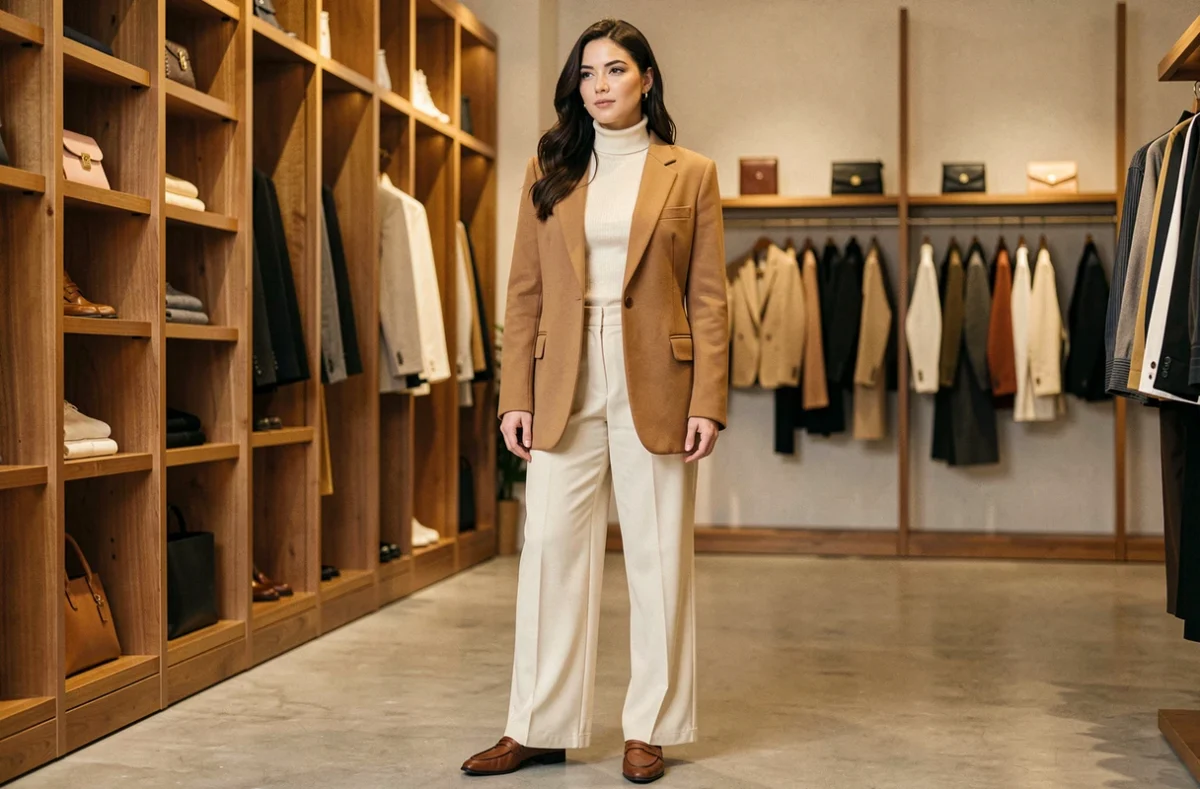
Between the autumn-winter 2026-2027 fashion shows and public initiatives that change the way we consume fashion, trends are no longer just a palette of colors or a seasonal cut. What evolutions are truly impacting style this year, and which ones are just fleeting visual noise?
Autumn-Winter 2026-2027 Fashion Trends: What the Shows Really Impose
Each season produces a dozen stylistic directions. Not all survive the transition from the runway to the street. To clarify, a distinction must be made between structuring trends (those that permanently alter silhouettes) and short-lived effects that are limited to a few weeks of visibility.
| Trend | Type of Item Concerned | Estimated Lifespan | Ease of Adoption |
|---|---|---|---|
| Short and Structured Volumes | Jackets, Coats | Several Seasons | High |
| Oversized Floral Prints | Dresses, Skirts, Shirts | One to Two Seasons | Medium |
| Fluffy Textures (Fluffy Effect) | Sweaters, Accessories | One Season | High |
| Saturated Rainbow Palette | Total Looks, Accessories | Variable | Low in Total Look |
| Reimagined Working Girl Silhouette | Suiting, Straight Pants | Several Seasons | High |
Short volumes and the working girl silhouette share a common point: they integrate into an existing wardrobe without replacing it. Oversized floral prints or the rainbow palette require more commitment and dedicated pieces.
This framework allows for distinguishing a seasonal purchase from a clothing investment. A well-cut suit in a neutral color will still be useful in two years. A fluorescent pink fluffy sweater, probably not.
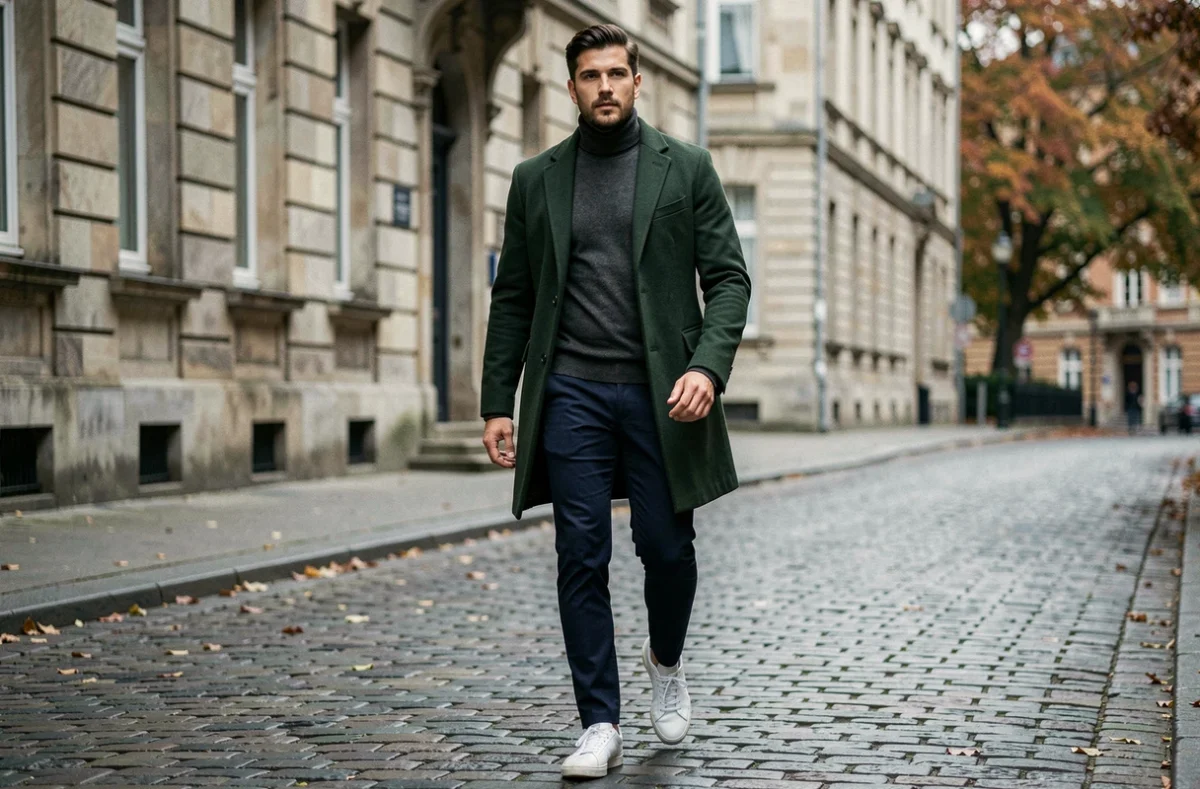
To follow these evolutions through the collections, the Petit Echo de la Mode website for fashion offers regular coverage of trends and pairing advice.
Repair Bonus: An Underestimated Style Lever
Sustainable fashion is often associated with aesthetic compromise. The French Repair Bonus initiative, led by Refashion, contradicts this idea. The amount is deducted directly from the bill at a certified repair shop, with no upfront costs for the consumer, and covers work on clothing as well as shoes.
This mechanism changes the game for everyday style. Shortening an overly long pair of pants, adjusting the size of a second-hand jacket, replacing a zipper on a leather jacket: these interventions transform a rough piece into a tailored one.
- Tailoring adjustments (hem, tapering, shoulder adjustments) to adapt a vintage or off-brand piece to one’s morphology
- Replacement of buttons, zippers, and linings to extend the lifespan of a quality garment
- Shoe repairs (resoling, stitching) to maintain classic models season after season
The Refashion guide, published in March 2026, details the types of eligible work and certified collection points across the territory. Personalizing through alteration often costs less than buying a new piece of equivalent quality.
Gap Between Promises of Sustainability and Reality in Stores
Brands are heavily promoting sustainability. Consumers claim they want to repair rather than throw away. However, according to a survey reported by Yahoo Lifestyle in October 2026, the repair services offered by brands remain poorly visible both in stores and online.
This gap has direct consequences on how to build a sustainable style. Relying on one’s favorite brand for maintenance or repair remains uncertain. It’s better to anticipate by choosing materials and constructions that can withstand alteration: visible seams that are easy to redo, sufficiently dense fabrics for resewing, leathers that patina instead of cracking.
The European regulation ESPR, summarized by Generation Impact in October 2026, gradually prohibits the destruction of unsold textiles. This measure encourages the structuring of redistribution and second-hand circuits, which expands the availability of pieces outside the traditional market.
Concrete Criteria for Choosing a Durable and Stylish Piece
- Check the fabric density by touch: a sufficiently dense weight withstands washing and alterations better
- Favor constructions with reinforced seams at tension points (shoulders, crotch, armholes)
- Choose colors and cuts that do not depend on a single season to remain wearable for several years
- Ensure that the piece can be adjusted: sufficient seam allowances, removable lining

Digital Passport for Textile Products: What It Changes for the Consumer
The digital passport for products (DPP) is being prepared at the European level. Its principle: to associate each garment with a digital identifier (often a QR code) providing access to information about composition, origin, manufacturing conditions, and repair or recycling options.
The implementation timeline for textiles is not yet finalized, but several industrial sectors are already preparing for it. For the consumer, the DPP will make the sustainability claims displayed by brands verifiable. No more relying solely on an “eco-responsible” label without a means of verification.
While waiting for its generalization, carefully reading existing labels remains the best habit to adopt. Exact fiber composition, country of manufacture, care instructions: this data, often overlooked, conditions the longevity of a piece and its ability to fit into a lasting personal style.
The fashion trends for the 2026-2027 season can be read on two levels. The first, visible, concerns the silhouettes and colors that parade. The second, less publicized, touches on the tools and regulations that redefine the relationship between a garment and the person wearing it. A refined style relies as much on the initial choice as on the ability to make pieces last over time.