
What scientific advancements truly deserve attention this month, and how can we distinguish solid results from media noise? Between ultra-specialized conferences, clinical publications presented at international congresses, and monitoring formats that now structure the work of professionals, the landscape of scientific news in June 2026 can be read on multiple levels.
Targeted Conferences and Transfer to Public Policies
Large general congresses capture media attention, but a less visible trend is reshaping applied research: thematic conferences with regulatory implications. The most notable case this month is the scientific conference dedicated to chlordécone in Martinique, scheduled from June 23 to June 25, 2026.
Nearly 300 researchers will gather to discuss their work on contamination, health effects, and decontamination strategies. The stated goal goes beyond academic sharing: it aims to produce recommendations that can be directly utilized by public decision-makers.
This type of event, where scientific research explicitly informs political decision-making, remains underreported in the “science” sections of major media outlets. Complementary summaries and analyses are regularly published on the Skeptic North website, which tracks this kind of intersection between data and public action.
The RoSConFR 2026 conference, organized in Paris from June 22 to June 25 at ISIR (Institute of Intelligent Systems and Robotics), illustrates the same dynamic in the field of robotics. The AFIS is also hosting an online conference on technological fears on June 3, a sign that scientific mediation is engaging in public debate.

International Health Congresses: Where Clinical Announcements Concentrate
The annual ASCO congress in Chicago, which takes place at the end of May and spills into June, serves as a convergence point for clinical research in oncology. The Curie Institute presents work on circulating biomarkers, biological avatars, innovative imaging, and telemonitoring.
These results are not merely academic communications. They directly influence care protocols and upcoming clinical trials. For those following medical research news, announcements made at ASCO carry more weight than most isolated publications.
| Event | Location | Dates (June 2026) | Central Theme |
|---|---|---|---|
| Chlordécone Conference | Martinique | June 23-25 | Contamination, health, decontamination |
| RoSConFR 2026 | Paris (ISIR) | June 22-25 | Robotics |
| AFIS Conference (online) | Online | June 3 | Technological fears |
| ASCO 2026 | Chicago | Late May – Early June | Oncology, biomarkers, telemonitoring |
| Collège de France | Paris | All month | Multidisciplinary meetings |
The Collège de France is also scheduling its major events for June 2026, covering a multidisciplinary spectrum. These conferences, accessible to the public, provide direct access to researchers without journalistic filtering.
Scientific Meta-Curation: A Rising Format Among Professionals
Beyond events, an editorial format is gaining traction: the commented monthly selection. LaNutrition.fr publishes “The World of Nutrition – June 2026,” a panorama that sorts studies based on their potential impact on clinical practice or dietary recommendations.
This positioning of expert meta-curation distinguishes itself from the classic news feed. The magazine Québec Science offers a comparable exercise with its June 2026 issue, while Pour la Science dedicates its issue 584 to artificial intelligence.
- LaNutrition.fr selects high-impact studies for health and nutrition professionals, with a declared goal of anticipating official recommendations
- Québec Science structures its monthly issue around in-depth investigations rather than brief articles, targeting an audience seeking depth
- Pour la Science (n° 584) devotes a feature to artificial intelligence, a theme that now crosses all research disciplines
What sets these formats apart from a simple aggregator is the work of prioritization. A researcher or health professional reading these selections finds a sorting that no search engine produces alone: which studies truly change practice, and which merely confirm what was already known.
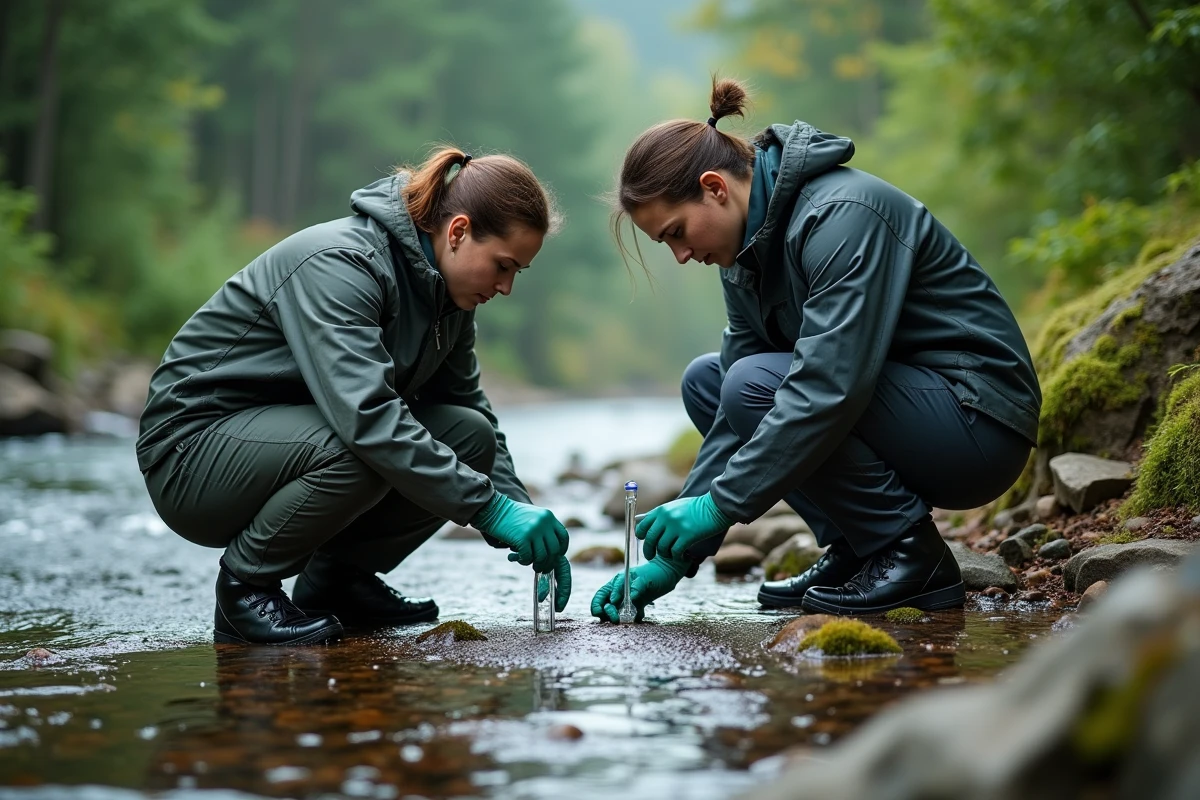
Fundamental Research and Viral Hepatitis: A Little-Mediated Axis
ANRS maintains its scientific animation group AC42, dedicated to fundamental and translational research on viral hepatitis. This type of structure, which operates continuously rather than through sporadic announcements, often goes under the radar of news sections.
Translational research (from the lab to the patient) on hepatitis represents a major public health issue. The work of the AC42 group feeds into clinical protocols without generating “big headlines,” illustrating a recurring bias in scientific coverage: incremental advancements are underrepresented compared to spectacular announcements.
- The AC42 group of ANRS covers fundamental and translational research, a link between the laboratory and treatments
- Viral hepatitis remains an active research topic despite its low media visibility compared to oncology or AI
- Structuring into scientific animation groups allows for continuity that sporadic congresses do not guarantee
The scientific coverage of June 2026 is divided between high-visibility events (ASCO, Collège de France) and in-depth work that does not reach general news feeds. Monthly meta-curation formats partially bridge this gap, but incremental research, which shifts protocols without making headlines, remains the neglected child of scientific information.