
A cat that lives exclusively indoors must still be identified by microchip before the age of 7 months. This regulatory detail surprises many owners, and it illustrates a broader observation: taking care of your pet daily goes beyond just petting and feeding. Behind familiar gestures lie legal obligations, dietary choices, and preventive habits that condition your companion’s health.
Commitment certificate and identification: what the law requires even before adoption
Before discussing diet or walks, we must revisit a point that classic guides rarely mention in detail. Since the decree of October 24, 2022, anyone acquiring a dog or cat must sign a commitment certificate and knowledge of the species’ needs. The handover of the animal can only occur after a seven-day period.
This reflection period aims to reduce impulsive purchases, one of the major causes of abandonment. It applies to both breeders and individuals who are giving away an animal.
Regarding identification, microchipping remains mandatory for dogs and cats. Remember to update your contact information with the national registry in case of moving or changing your phone number. A chip associated with old contact details is useless if your pet runs away.
To deepen your knowledge about care, diet, and daily life with a pet, a useful resource is: https://boule-de-poil.fr/, which covers many species from dogs to rabbits.
Dog and cat nutrition: adapting the ration to the animal, not the brand
Have you ever noticed that two dogs of the same breed can have very different caloric needs? A neutered and sedentary dog does not eat the same as a sporty dog of the same weight. The first mistake is to follow the doses indicated on the package without adjusting them.
Nutrition needs vary according to age, weight, activity level, and health status. A growing puppy needs a higher proportion of protein than an adult dog. An older cat digests certain fats less well.
Here are some concrete guidelines for adjusting the diet:
- Weigh your pet regularly, once a month is sufficient, and compare with the weight curve recommended by your veterinarian.
- Split meals: two to three servings per day for an adult dog, several small portions for a cat that prefers to nibble.
- Avoid sudden changes in kibble. A dietary transition should take about ten days by gradually mixing the old and new products.
- Fresh water should be available at all times. A cat that eats only kibble drinks more than a cat fed with wet food.
The question of nutrition also has an environmental dimension. Some studies highlight the tension between ecological recommendations (reducing meat) and the actual physiological needs of domestic carnivores. A cat remains a strict carnivore, and its kibble must contain sufficient animal protein.
Parasite prevention and hygiene: actions that prevent emergency vet visits
Preventive care costs much less than curative treatment. Regularly treating your dog or cat for fleas, ticks, and intestinal worms remains the most cost-effective preventive measure.
Inspect your pet after every walk in natural areas. Ticks often hide behind the ears, between the pads, or in skin folds. Grass seeds, those small dry grasses shaped like arrows, can enter the ear canal or between toes and cause abscesses.

Dental hygiene is a neglected point for both dogs and cats. Tartar accumulates and can lead to gum infections, or even long-term kidney or heart complications. Appropriate chew sticks or regular brushing with a specific toothpaste can limit this risk.
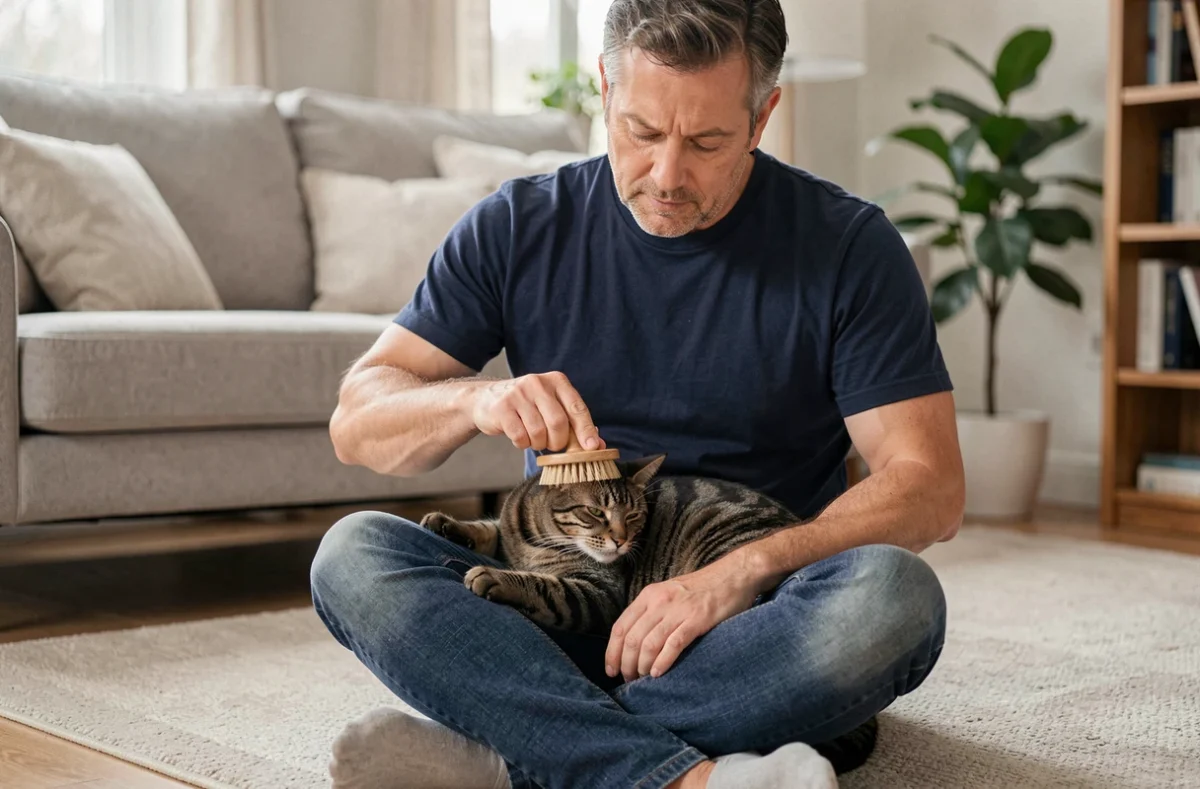
For the rest of grooming, rinse your dog with clear water after swimming in the sea or a river. Salt and bacteria from stagnant water irritate the skin. Brushing the coat once or twice a week for long-haired breeds helps to detect skin anomalies early (redness, localized hair loss, parasites).
Physical activity and mental stimulation according to species
A dog that only goes out once a day for a walk around the block accumulates frustration and energy. Behavioral problems (barking, destruction, separation anxiety) are often linked to a lack of exercise or stimulation.
Daily walks are not a luxury; they are a fundamental need. Their duration depends on the breed and age: a young Australian shepherd needs much more activity than an adult French bulldog.
For an indoor cat, stimulation comes from play. Toys that mimic the movement of prey, multi-level cat trees, or simply interactive play sessions lasting a few minutes activate the hunting instinct.
The rabbit, often perceived as a low-maintenance animal, also needs daily outings outside its cage. A secure space where it can run and explore prevents obesity and digestive issues common in this species.
Veterinary visits and vaccination: a schedule not to be neglected
Vaccination protects your pet against serious, sometimes fatal diseases. For a puppy, the first boosters condition immunity for the following months. For a cat, even if it does not go outside, certain viruses like typhus can be brought in on your shoes.
An annual health check-up at the vet can detect problems invisible to the naked eye: early kidney failure in an older cat, heart murmur in a dog, advanced dental issues.
Spaying or neutering also deserves consideration. Beyond preventing unwanted litters, it reduces the risk of certain cancers and limits escape behaviors in male cats.

Since January 1, 2024, the sale of dogs and cats in pet shops is banned in France. Animal protection associations can, however, present animals for adoption there. If you are considering welcoming a new companion, prioritize shelters or registered breeders who comply with the commitment certificate and the legal seven-day period.