
The term “detox” has appeared on juice labels, weight loss programs, and dietary supplements for several years. When applied to fruits, it suggests that a specific food could purify the body. The physiological reality is more nuanced: the liver, kidneys, and intestines continuously eliminate metabolic waste without waiting for a fruit to intervene. Identifying the most effective detox fruit therefore requires clarifying what this word truly encompasses and what science says about it.
Detox and toxin elimination: what the term really means
Nutrition specialists warn against the marketing use of the term “detox.” They recommend instead talking about support for elimination functions or reducing toxic load. The difference is not cosmetic: it shifts the focus from a promise of purification to documented physiological mechanisms.
The liver transforms unwanted substances into water-soluble compounds. The kidneys filter them. The intestines expel the residues. No fruit can replace these organs. However, certain nutrients (fibers, antioxidants, sulfur compounds) contribute to the proper functioning of these elimination pathways.
It is within this specific framework that certain fruits hold interest. Not because they “purify,” but because their nutritional composition supports an already active body. An article detailing the benefits of detox fruits helps to better understand these mechanisms on a case-by-case basis.
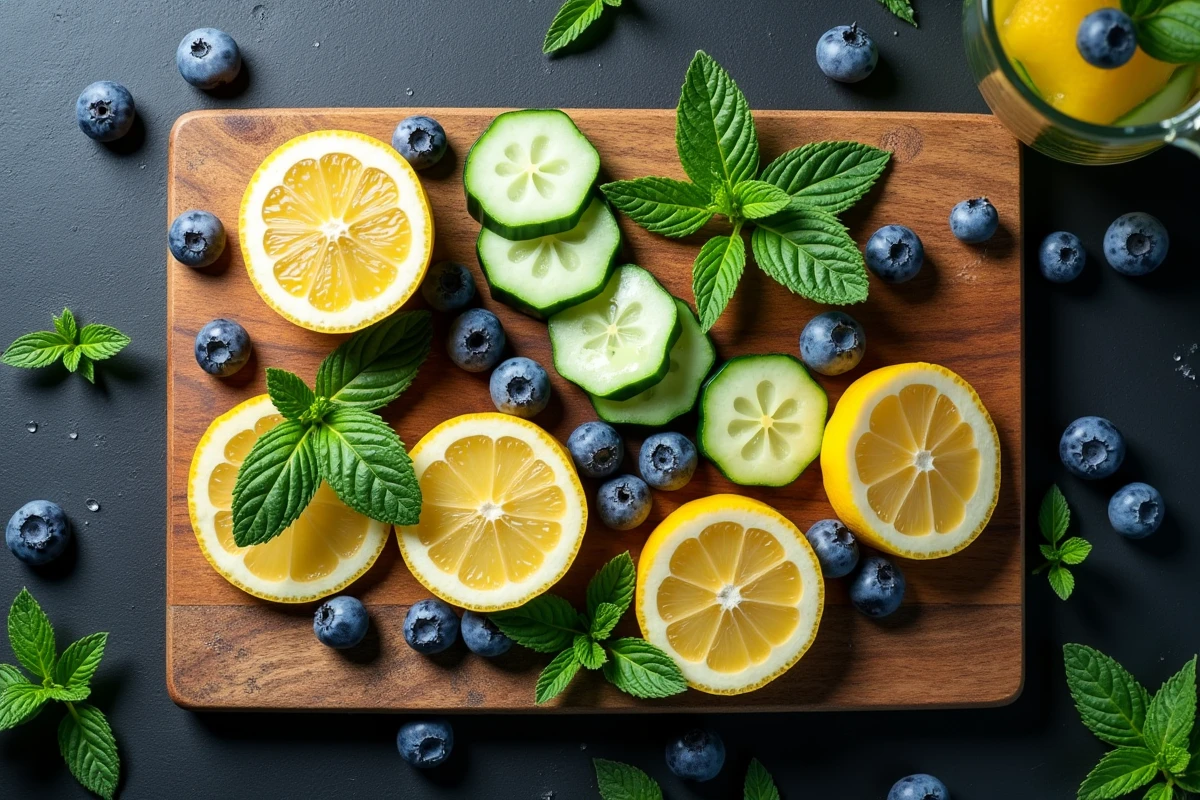
Lemon, apple, pineapple: compared nutritional profiles for detox
Three fruits consistently appear on lists of detoxifying fruits. Their benefits are real, but they act on different functions.
Lemon and acid-base balance
Despite its acidic taste, lemon has an alkalizing effect once metabolized. Its richness in vitamin C supports the immune system. It promotes digestion by stimulating bile production, which aids the liver in its work of transforming toxins.
Its main detox advantage lies in its ability to encourage hydration. Squeezed into a glass of warm water, it encourages increased fluid intake, which facilitates kidney function. The effect is modest but tangible.
Apple and fat elimination
The apple contains pectin, a soluble fiber that promotes the elimination of fats and intestinal residues. This fiber forms a gel in the digestive tract, slows sugar absorption, and helps regulate transit.
The apple also has the advantage of being available year-round and can be consumed easily without preparation. For regular digestive support, it is probably the most accessible fruit.
Pineapple and protein digestion
Pineapple owes its detox reputation to bromelain, an enzyme that plays a role in protein digestion and liver preservation. Rich in vitamin C and potassium, it combines digestive action with anti-inflammatory properties.
Bromelain is concentrated mainly in the stem of the pineapple, less in the flesh. Therefore, the detox effect of the whole fruit is more limited than what typical lists suggest.
Why no study designates a single effective detox fruit
Online content often presents rankings (“top 5,” “top 10”) that imply one fruit stands out significantly. The available data do not support this conclusion. No meta-analysis or official recommendation ranks a fruit as the most effective for purifying the body.
Recent reviews on detox diets highlight the lack of robust evidence for purification effects attributable to a single food. Effectiveness relies on the overall dietary profile, hydration, and sleep, not on a fruit consumed alone for a few days.
Mono-diets (grape, apple) are regularly promoted seasonally. The stated goal is to “give the digestive system a rest.” This practice may provide temporary relief after a period of dietary excess, but it does not constitute detoxification in the medical sense.

Fibers, antioxidants, and vitamin C: the real criteria for a fruit that supports elimination
Rather than searching for a miracle fruit, it is more useful to understand which nutrients contribute to elimination functions. Three families stand out:
- Soluble and insoluble fibers accelerate transit, capture residues, and nourish the intestinal microbiota. Apple, fig, and prune are particularly rich in these.
- Antioxidants (polyphenols, beta-carotene, vitamin C) protect liver cells from oxidative stress. Red fruits, apricot, and lemon provide these compounds in significant amounts.
- Potassium, found in pineapple, cherry, and banana, supports kidney function and promotes the elimination of excess water.
A fruit that combines several of these nutritional families will be more useful than a fruit that excels in only one criterion. This is why the diversity of fruits consumed takes precedence over the choice of a single fruit.
Detox fruits and overall diet: the framework that changes everything
Pages that rank detoxifying fruits often overlook a fundamental point. The diet in which the fruit is included matters more than the fruit itself. Consuming a squeezed lemon in the morning does not negate the effects of a diet rich in ultra-processed products for the rest of the day.
Recent sources on detox emphasize the overall lifestyle hygiene:
- Sufficient hydration to support kidney filtration
- A diet rich in vegetables and fibers for intestinal transit
- Regular sleep, during which the liver intensifies its detoxification activity
- Stress reduction, which directly influences digestion quality
In this global framework, fruits act as allies, not as standalone solutions. The apple daily, lemon in morning water, pineapple at the end of a protein meal: each finds its place according to the moment’s need.
The most effective detox fruit is therefore the one you consume regularly, within an already balanced diet. Focusing on the variety of fresh, seasonal fruits remains the most solid strategy to support the body’s natural elimination functions, without expecting from a single food what only the body knows how to do.